

If someone asked me where Sukun Regenerative Culture began, they might expect me to point to a piece of land, an office, or the day we officially launched the organization.
The truth is much simpler than that.
Sukun did not begin with land or buildings.
It began with a search for belonging.
My own journey started in 2021, when I was introduced to permaculture by Muhammed Foulds, the founder of Hearts SEE in the United Kingdom. At the time, I had no idea that a single introduction would change the direction of my life. Through my work as a coordinator with Hearts SEE, I discovered that permaculture was much more than a way of growing food. It was a way of understanding relationships—between people and nature, communities and culture, faith and everyday life. It challenged me to see the world not as separate pieces, but as living systems connected in countless ways.
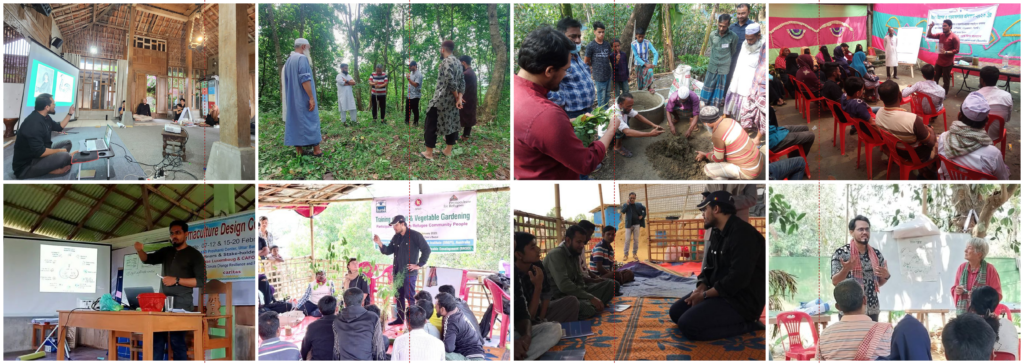
The more I learned, the more I realised that I wanted to experience permaculture beyond books and online conversations. That desire took me to India, where I formally studied permaculture and began learning directly from landscapes, teachers, and communities. From there, my journey continued through a variety of projects. I worked as a permaculture educator in projects supporting Rohingya refugee communities in Ukhiya, Cox’s Bazar, became involved in NGO work in Mongla, continued contributing to Hearts SEE initiatives, and later had opportunities to learn and work in Indonesia. Every landscape offered different lessons, and every community showed me a different way of understanding resilience, cooperation, and regeneration.
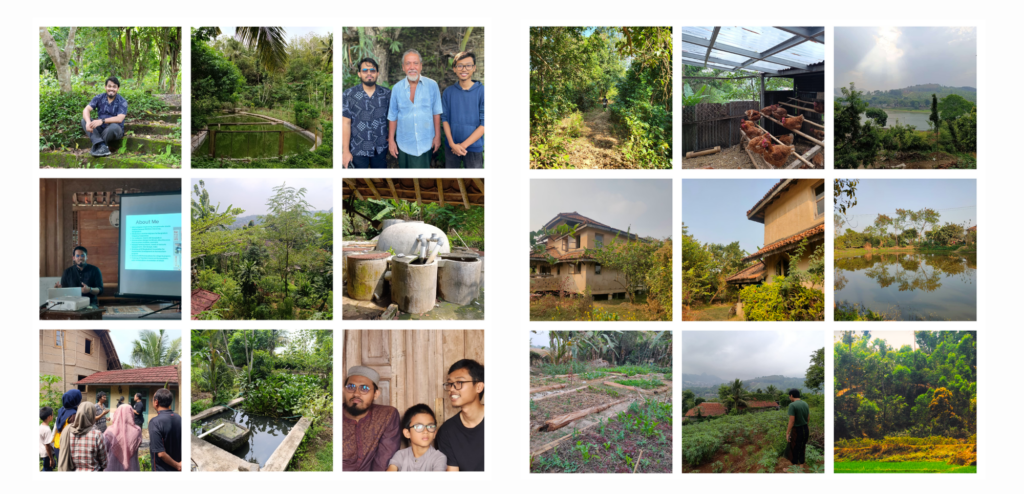
Those experiences changed the way I saw the world, but over time I realised that something was still missing. I had travelled to learn from different landscapes, worked alongside inspiring communities, and contributed to meaningful projects. Yet, despite everything I had learned, I still felt that I had not found a place where all those experiences truly belonged. I found myself longing not simply for another project, but for a place where learning could become rooted, where relationships could grow over time, and where I could help nurture a community from the very beginning. More than searching for a location, I realised I was searching for a sense of belonging.
In 2025, I moved to Sylhet to work as a marine engineering lecturer. Although I am originally from Chittagong, my work introduced me to a region of Bangladesh that I had barely known before. Before moving to Sylhet, I had visited Kulaura only once, a few years earlier, with one of my uncles, who owned a piece of land there. At the time, it was simply another place I happened to visit. I never imagined it would one day play such an important role in my life.
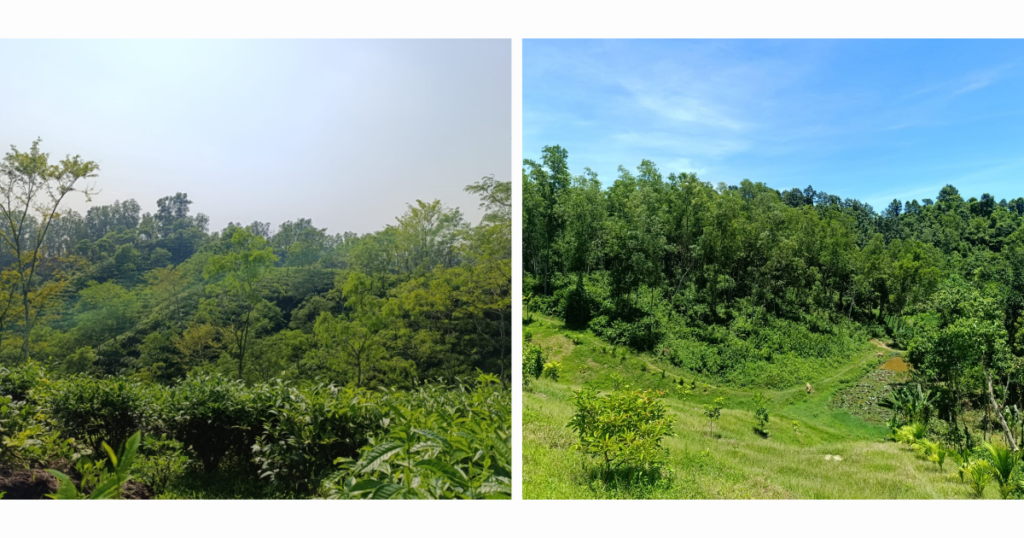
Living in Sylhet allowed me to explore Kulaura more deeply. Outside my teaching responsibilities, I found myself returning there again and again, drawn by its forests, hills, tea gardens, and quiet villages. At first, I believed I was looking for a piece of land where a future project might take root. Over time, however, those visits became about something far more meaningful. The more I walked through the landscape and spent time with its people, the more I realised that I was not simply looking for land—I was looking for a place where I could truly belong and where the ideas I had gathered over the years could finally begin to grow roots.
It was during this time that I met Abdul Muhit Saful, who is from the Kulaura community. What started as a practical search for possible land soon became months of walking together through forests, villages, and hills. We spoke with local farmers, visited families, shared countless cups of tea, listened to stories, and spent long hours quietly observing the landscape. Looking back, I realise those walks became one of the most formative experiences of my education.
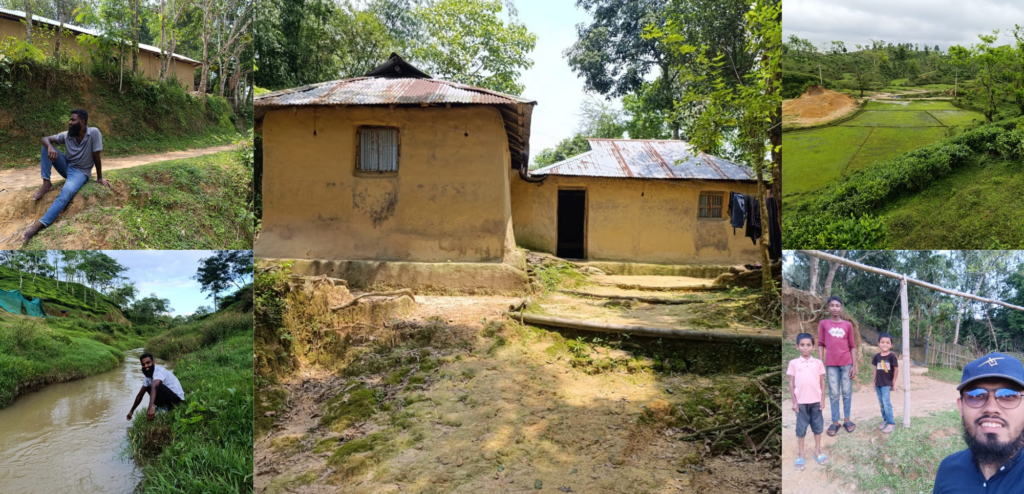
For many years, my life had been shaped by ships, engineering, cities, and structured schedules. Kulaura offered a completely different rhythm. Walking slowly through forests, listening to birds instead of engines, and spending time with local communities gave me a sense of peace that I had not experienced for a long time. Many of the ideas that would eventually become Sukun were not born in meetings or behind a computer screen. They emerged while walking beneath trees, crossing small streams, or sitting with local people who generously shared their knowledge and experiences.
Saful became much more than a guide. He introduced me not only to the landscape but also to the people who call it home. He helped me understand the relationships between villages, the stories behind different places, local farming traditions, and the social fabric of the community. Without ever calling it social permaculture, he was teaching me one of its most important lessons: before designing for a place, you must first learn to belong to it.
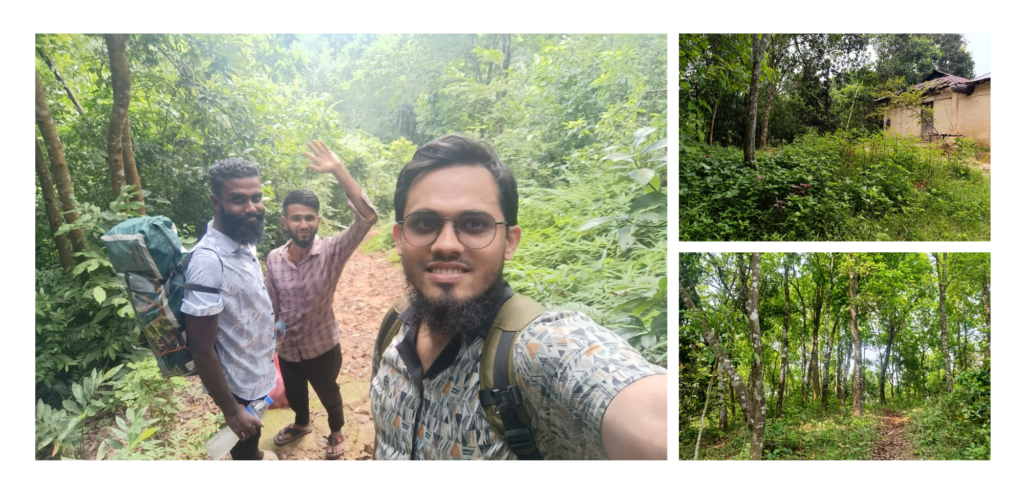
It was also during this period that I began studying psychology alongside my work in permaculture. As I explored environmental psychology and ecotherapy, I discovered that modern research increasingly supports something I had already experienced for myself—that time spent in nature can help restore attention, reduce stress, and support psychological wellbeing. What I first discovered through long walks in the forests of Kulaura, I later encountered again in academic literature. The landscape had become one of my greatest teachers long before I found the scientific language to describe why.
Around the same time, another important conversation was unfolding. While staying in Sylhet, I often spoke with my friend Fajib from India about the direction this journey was taking. During those conversations, the word Sukun gradually became more than a beautiful Arabic word meaning peace or tranquillity. It became a way of describing the kind of culture we hoped to nurture—a culture where people could reconnect with nature, community, meaningful work, and ultimately with their Creator.
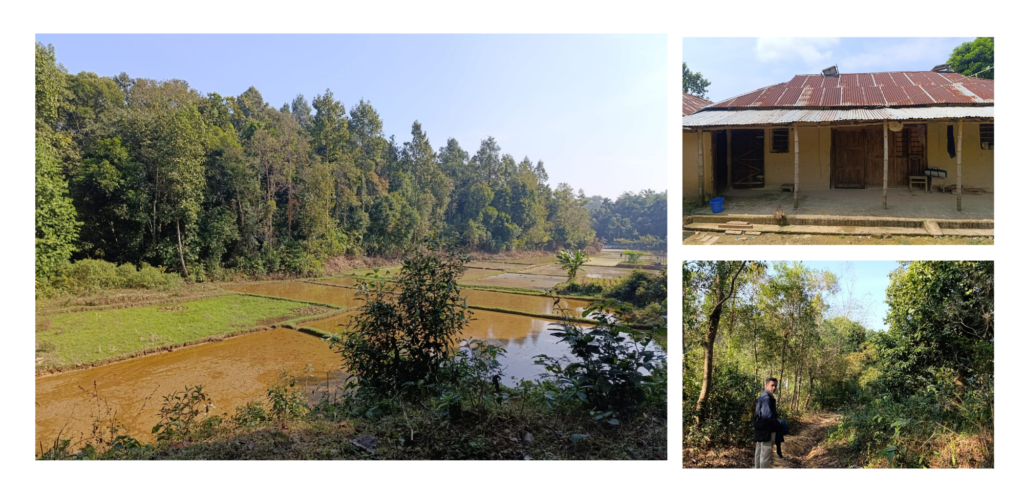
As these ideas continued to grow, something unexpected happened. Before we had secured land, before we had built classrooms, and before we had developed detailed plans, people started joining the journey. A few volunteers offered their time. Friends contributed ideas and encouragement. Slowly, a small community began to form around a shared hope that regeneration is not only about restoring landscapes but also about restoring relationships.
One day, while walking through the forests of Kulaura, a simple thought came to me. We had spent months searching for land because we believed we needed a campus before we could begin teaching. Then I looked around and realised that we were already standing inside one. The forests had become our classrooms, the hills our textbooks, the villages our case studies, and the people our teachers. That realisation eventually became the inspiration behind Sukun Academy Without Walls, an initiative that invites people to learn directly from landscapes and communities rather than only from buildings.
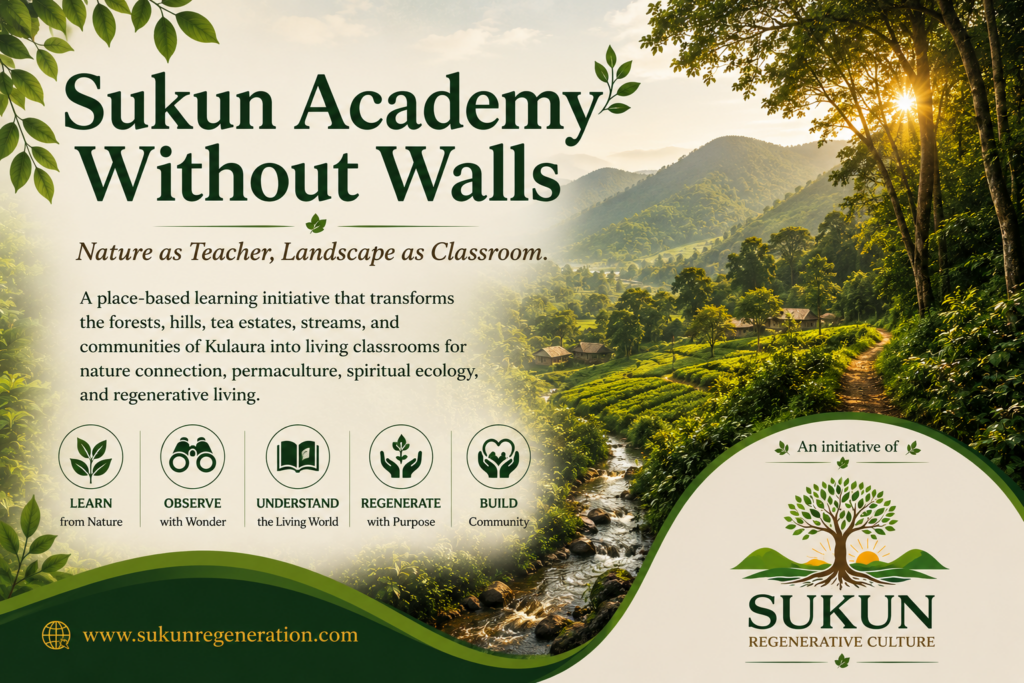
Today, Sukun is still very young. We work mostly on leased land, our community is still small, and we are learning every day. Alongside building relationships within the community, we have begun practical initiatives such as urban permaculture and therapeutic gardens. These projects are not the destination; they are the first steps towards a much larger vision that includes, in structure, one day, a Sukun Academy and a Sukun Ecovillage rooted in faith, regeneration, and community.
Although this article tells my story, I hope it will not remain that way for long. My greatest hope is that Sukun will become known not as one person’s project but as a growing community shaped by many people and many journeys. I hope that in the years ahead, this website will tell the stories of Saful, our volunteers, local farmers, students, researchers, families, and everyone who becomes part of this journey. Their stories will be just as important as mine because Sukun has never been about one individual. It has always been about creating a place where people can walk together towards a more peaceful, meaningful, and regenerative way of living.
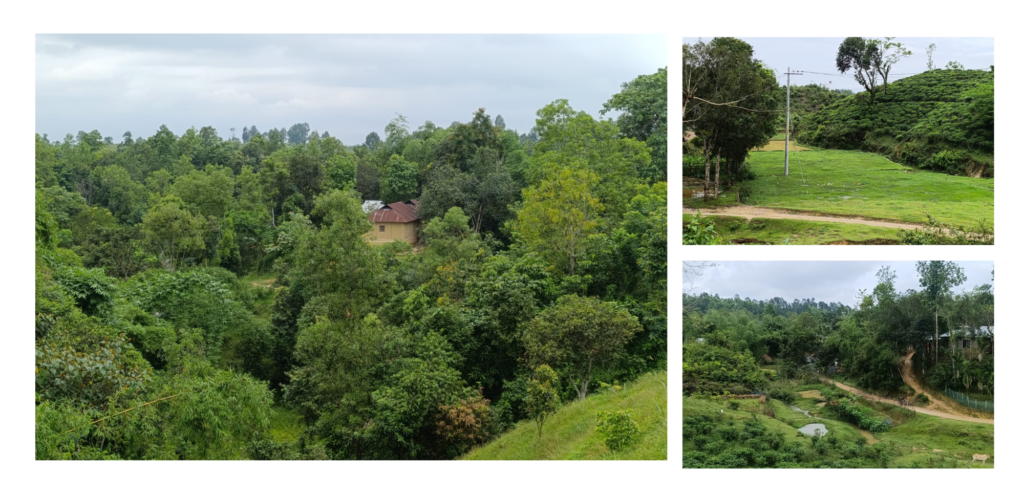
When I think back to those early walks in Kulaura, I no longer remember whether we ever found the perfect piece of land. What I remember are the conversations, the friendships, the lessons, and the quiet realisation that regeneration begins long before we plant the first tree or build the first classroom. It begins when people choose to walk together with humility, curiosity, and hope.
Perhaps that is how Sukun truly began.
And, God willing, this is only the beginning of its story.
From Peace to Regeneration.