Sukun Regenerative Culture is the heart and philosophy of the Sukun ecosystem — a coordinating framework that guides all our initiatives. It integrates Islamic ecological principles with modern permaculture and regenerative design.
In a time when chemical farming, cultural fatigue, and rural migration are weakening our relationship with land and tradition, Sukun offers a living pathway back to balance. We bridge indigenous wisdom and contemporary regenerative science, so land can heal, livelihoods can return, and learning can restore dignity.
The learning and design hub (planned)
The living community and production sanctuary (planned)
Together they form a 39-acre regenerative ecosystem rooted in tradition, culture, ecology, and cooperation.
And through partnership:
Now entering early implementation.
Cultivating Qur’anic living, ecological literacy, and applied understanding so regeneration starts in the heart and moves into the land.
Hands-on training in permaculture, natural farming, natural building, traditional crafts, and service leadership.
Building a just cooperative economy where land and core assets are held in waqf — sacred commons, enabling shared prosperity and long-term ecological protection.
A nurturing, consultative ecological leadership guided community culture rooted in worship, mutual support, inclusion, and care for the vulnerable.
We are a newly formed team of dedicated members, supported by motivated volunteers who deeply believe in the vision. We are also guided by international advisors who help refine our approach.
Together, we are building the foundations of Sukun step by step, with sincerity, learning, and service.
Consultative & Advisory Body of Sukun Regenerative Culture

Md. Hamidur Rahman serves as the Chief Co-Ordinator and Initiating Steward within the founding coordination structure of Sukun Regenerative Culture.
He is responsible for guiding the foundational coordination, strategic alignment, and regenerative vision of the organization.
With a strong commitment to community-centered transformation and collaborative leadership, he facilitates the integration of ideas, initiatives, and people into a coherent and purpose-driven movement.
Through his stewardship role, he supports the emergence of regenerative practices, ethical collaboration, and participatory engagement within the Sukun ecosystem.
His work focuses on nurturing collective leadership, strengthening coordination across initiatives, and ensuring that the organization’s mission evolves with clarity, integrity, and long-term impact.
Drawing from his background in permaculture practice and non-formal education, he contributes to learning-oriented community development and regenerative approaches to social transformation, encouraging knowledge sharing, ecological awareness, and community resilience.
Regenerative Culture Development | Strategic Coordination | Community Stewardship | Participatory Leadership | Permaculture & Ecological Learning | Social Impact Initiatives.
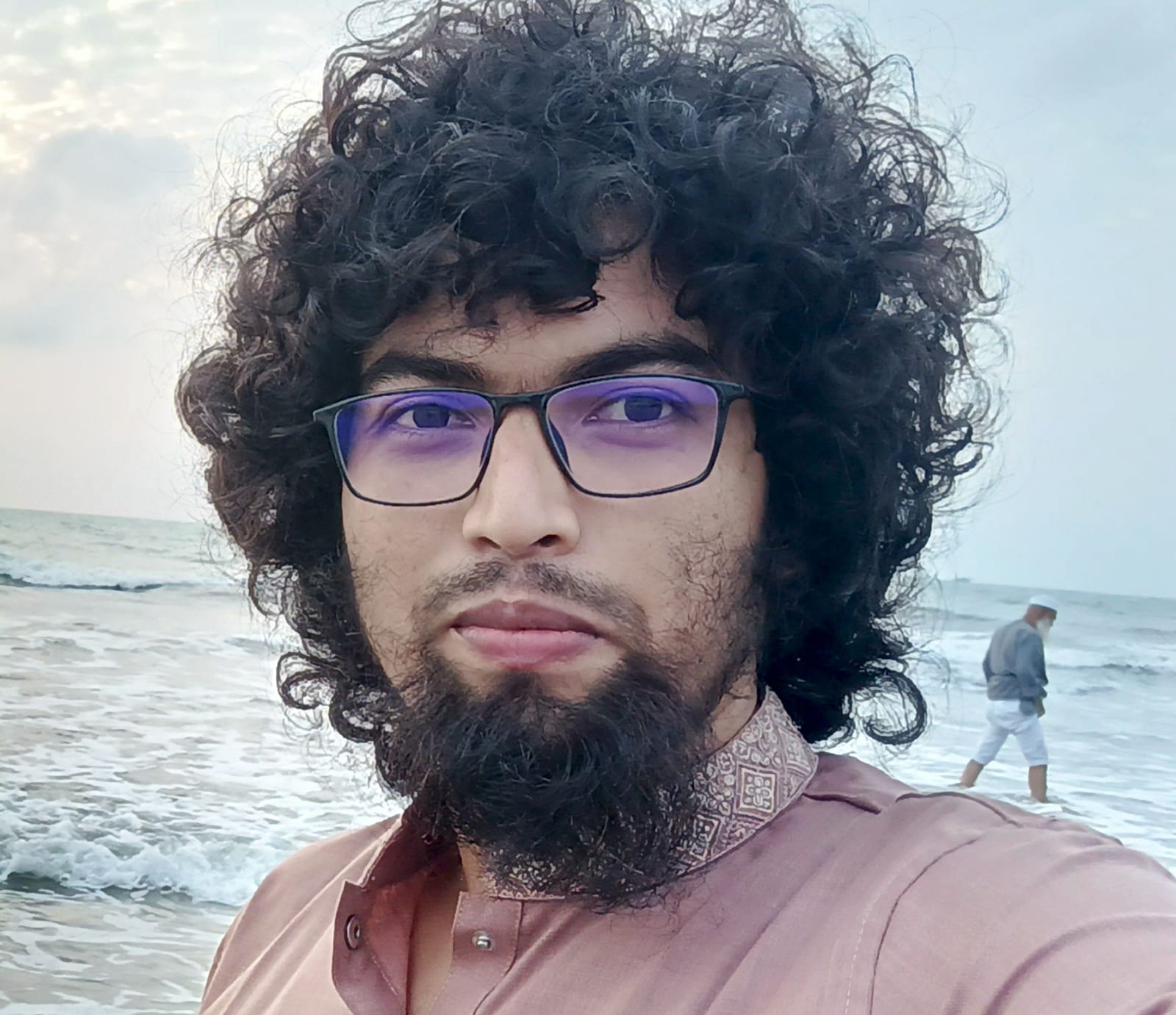
AL Ruman Chowdhury serves as the Community Administrator within the Founding Coordination Team of Sukun Regenerative Culture, contributing to the shaping of a coherent, values-driven institutional framework through structured administration, participatory governance, and community-centered coordination.
Environmental, Social, Governance (ESG) & Sustainability | Project Management | Organizational Governance | Stakeholder Engagement | Social Impact Coordination | Policy Analysis | KPI & Performance Systems
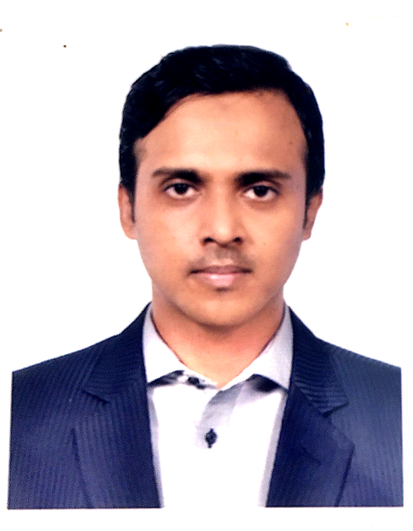
Arpan Sarker serves as a Finance and Economics Specialist within the Founding Co-ordination Team of Sukun Regenerative Culture. He is a Chartered Accountant and currently works as a Financial Consultant with the World Health Organization (WHO).
He contributes financial insight and economic strategy to support the development and sustainability of the organization’s initiatives.
With strong expertise in financial governance, institutional finance, and economic analysis, he helps ensure that Sukun’s programs operate with transparency, accountability, and long-term financial resilience.
Drawing on his professional experience in global health finance and development contexts, he supports the creation of responsible financial structures that align resources with regenerative and community-centered goals.
His approach emphasizes ethical financial stewardship, strategic planning, and sustainable economic models that strengthen the organization’s capacity for meaningful social and ecological impact.